
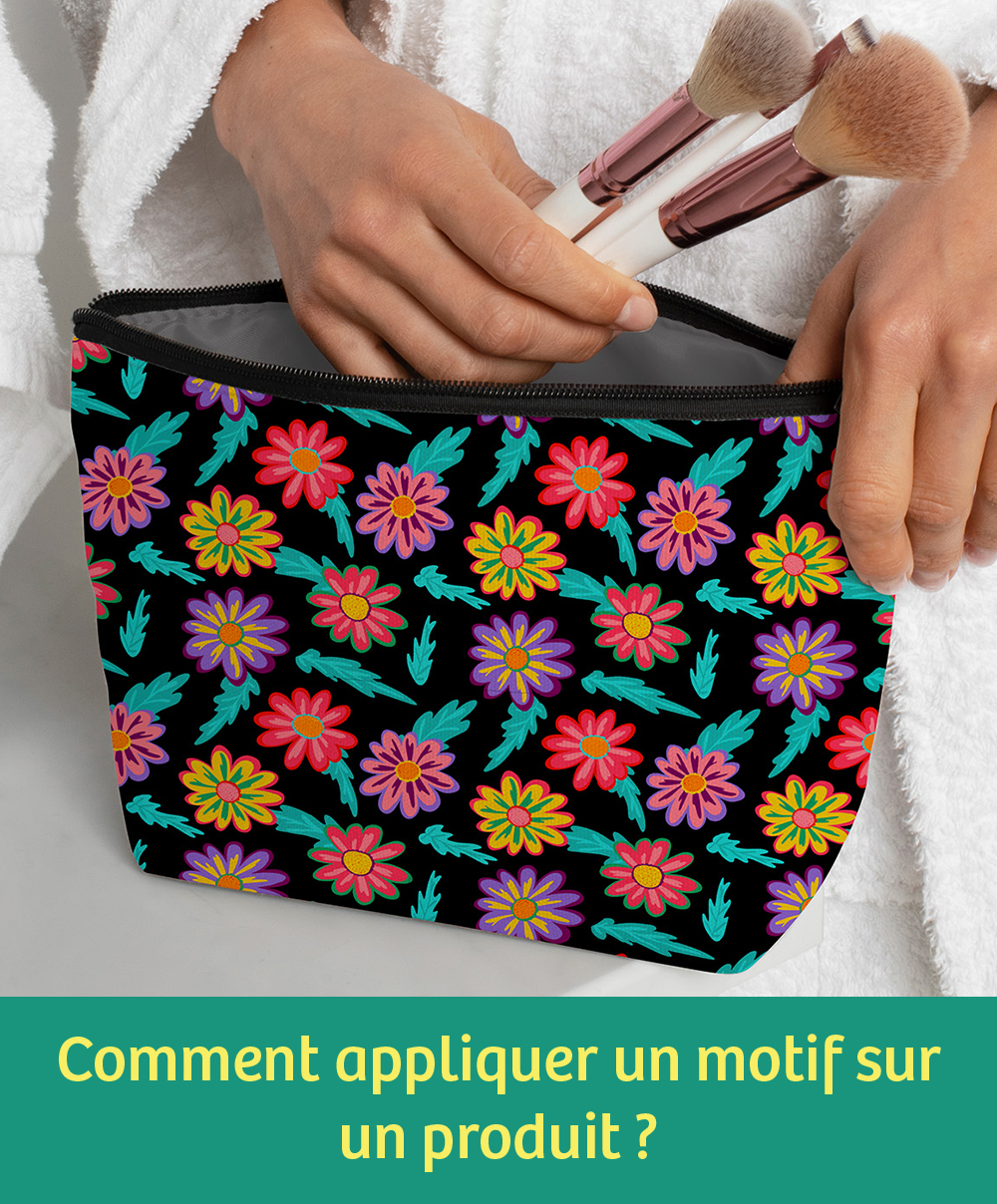
Patterns are an integral part of our daily lives: on our clothes, in our home decor, on stationery, and even on the accessories we use every day. But why take the time to add a pattern to a product? Quite simply because a pattern transforms the ordinary into the extraordinary: it tells a story, defines a style, and gives the object a unique identity. My personal goal as a pattern designer is to brighten up your day with cheerful, energetic patterns.
In this article, I’ll explain which products you can apply a design to, whether it’s possible to put one on everything (spoiler alert: almost!), and I’ll also share my personal picks along with some practical tips to help you get started.
On which products can a design be applied?
Often, when I explain what I do for a living, people say to me, “So you design patterns—but what do those patterns end up on? There aren’t that many surfaces, are there?” And when I start listing the products we can apply patterns to, the look on the other person’s face changes, and they say, “Oh, right—that’s true!” In reality, we don’t even notice the patterns in our daily lives anymore—they’ve become such a natural part of the scenery. So, to answer the question, “What products can you apply a pattern to?” I’d say the possibilities are endless. Patterns find their way into any space where you want to add personality and style. I think we can categorize patterns into three main categories:
Textiles and Fashion
In fashion, for example, you’ll find patterns on T-shirts, scarves, bags, shoes, hats, swimsuits, pajamas, sportswear, yoga wear, and baby clothes such as onesies. As for textiles in general, you can find patterns on fabric rolls for fabric stores, as well as on cushions, curtains, throws, bedding, dish towels, sofas, backpacks, toiletries bags, tote bags, the famous fanny packs, beach towels, bath towels, foutas, baby swaddles, tablecloths, etc.
As you can see, the list is very long; I think textiles are the category with the greatest variety in terms of pattern design.
Decor and Everyday Items
Within this category, there is a major subcategory: tableware. Indeed, we see patterns on mugs, water bottles, plates (dinner plates, dessert plates, soup bowls), bowls, glasses (water glasses, wine glasses), coasters, cups (coffee cups, espresso cups, tea cups), cups, trays, serving dishes, carafes, tablecloths, table runners, placemats, napkins, baby bibs, trivets, cookie jars, utensil jars, butter dishes, sugar bowls, teapots, and storage jars. Then, looking at everyday items from a slightly broader perspective, we find these patterns applied to phone cases, vases, rugs, planters, wallets, eyeglass cases, storage boxes, laptop or tablet cases, surfboards, skateboards, or, quite simply, on wallpaper to decorate your walls. Stationery Stationery is also a major category (one I’m particularly fond of—I can’t walk out of a stationery store without a pencil or a notebook). In this category, you’ll often find patterns on notebooks (A4, A5, A6, and other sizes), bullet journals, planners, postcards, calendars, weekly planners, notepads, to-do lists, organizers, folders, pencils of all kinds, magnets, erasers, masking tape, pencil holders, announcements (baptisms, weddings), cards (birthday, greeting, thank-you…), stationery with matching envelopes, wrapping paper, and bookmarks.
I really challenge you to not find a single pattern in your home—I think it’s impossible! I should also point out that these lists aren’t exhaustive, so let me know in the comments if I’ve missed any items!
Can designs be applied to all products?
Good news: you can put a design on almost anything! Thanks to modern printing and engraving techniques, designs can be applied to a wide variety of materials. On textiles, printing, embroidery, or screen printing produce beautiful results. On objects, sublimation printing, laser engraving, or transfers are used. Even the digital world isn’t left out: designs also adorn wallpapers, social media, and websites.
So the real question isn’t “Can we?”, but rather “Which medium is best suited to my design and my aesthetic?”
I’m not in favor of putting patterns on every existing product—I think it would be overwhelming for our eyes. Plus, the product you choose has to fit the story behind the pattern. For example, among products that don’t have patterns (at least for now—who knows?), cars come to mind—I find it so sad that we don’t personalize them more (it’s probably a matter of cost and maintenance; one scratch on a patterned door, and hello, repair bill). As for home appliances, they’re often black, gray, or white—it might be nice to have a few with a design, maybe even one with a kitchen theme.
How do you apply a design to a product?
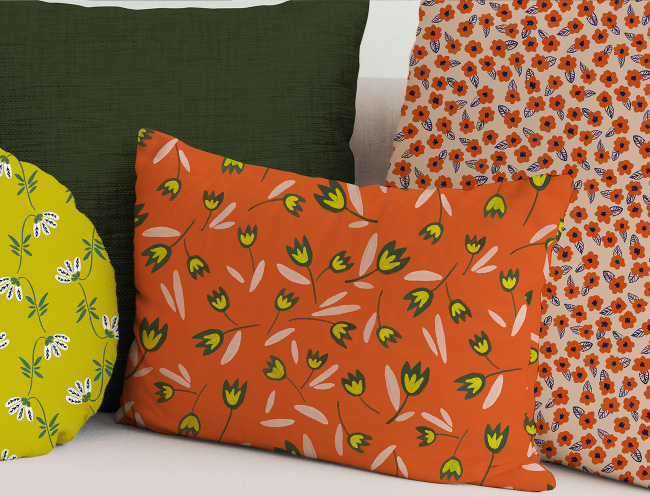
It’s not always easy to visualize how a design will look before starting production. That’s why nothing beats a good mockup (a photo montage of a design on a blank product) for presenting a design. To do this, I use Photoshop. It’s a necessary step before moving on to production, as it helps avoid unpleasant surprises—such as issues with scale or design placement, for example. When I create designs for my clients, I always provide them with mockups on products from their specific category.
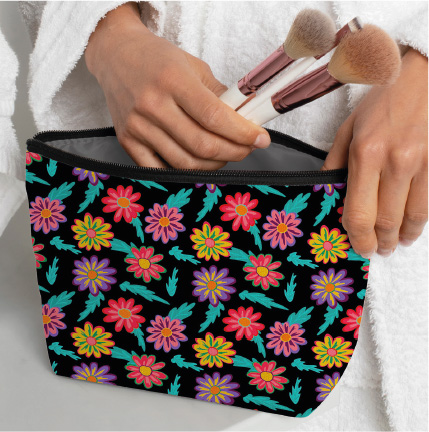
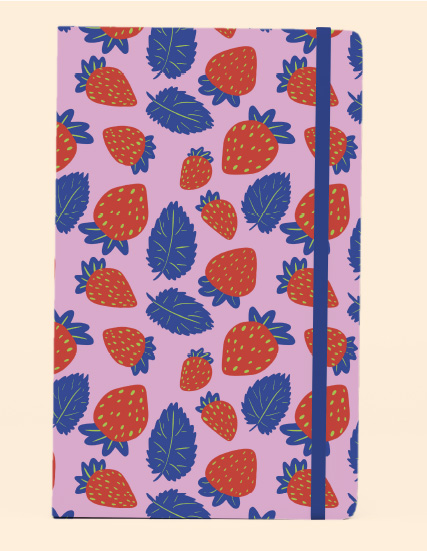
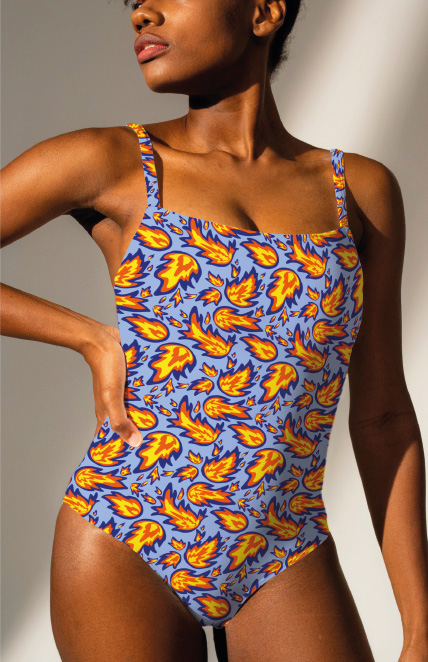
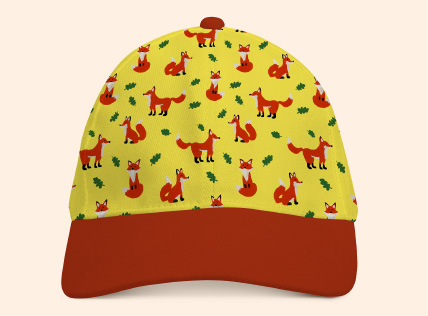
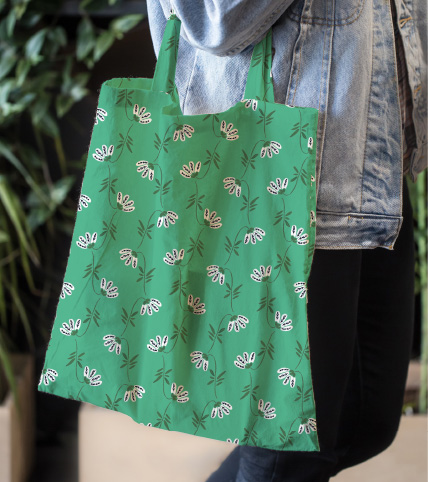
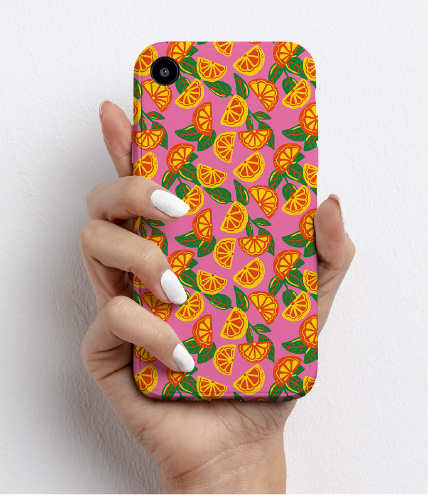
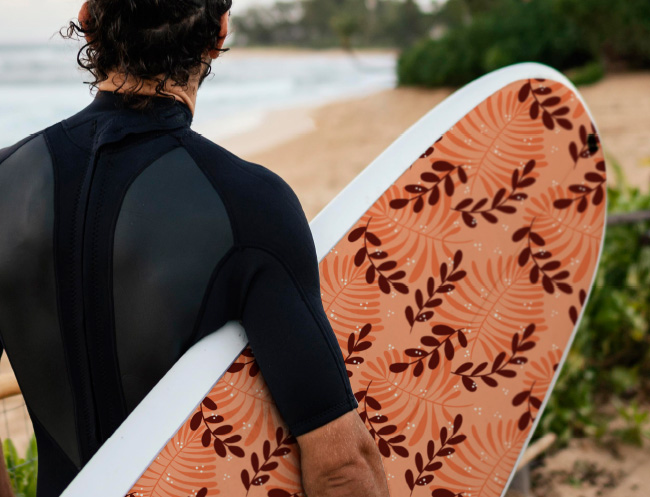
Applying a pattern to a product gives it an identity, a soul, and a touch of emotion. Whether in home decor, fashion, or stationery, patterns transform a simple object into a unique creation. That’s why, as a pattern designer and lover of beautiful things, I have only one desire: to see my patterns come to life on new surfaces. Here are a few examples of products featuring Sweet Coquelicot patterns
Here are a few examples of products featuring Sweet Coquelicot designs:
Leave a comment